



Chaga vs Reishi: How To Choose The Best Mushroom For You
Quick Takeaways
- Chaga is better known for antioxidant activity, cellular protection, and skin-related research.
- Reishi is more closely associated with immune support, recovery, and whole-body resilience.
- Neither mushroom is psychoactive, and neither acts like caffeine.
- Chaga has stronger antioxidant-focused research, while Reishi has more human supplementation data.
- The better choice depends on whether your priority is antioxidant support or immune and recovery support.
Chaga and Reishi are both woody functional mushrooms, but they act very differently on the body.
For starters, Chaga is associated with its antioxidative properties because it contains polyphenols, melanin, polysaccharides, and triterpenoids that have been studied for their ability to defend cells against oxidative stress. On the other hand, Reishi has polysaccharides and ganoderic acids that can promote the communication between immune cells, accelerate recovery, and improve your resilience to stress.
Luckily, neither mushroom is psychoactive, so you won’t experience any hallucinations. What’s more, they are not particularly stimulants, so don’t expect the same feeling after your morning coffee.
What Is Chaga Mushroom?
Chaga (i.e., Inonotus obliquus) is not the classic cap-and-stem mushroom you would expect to find in a grocery store.
It grows mainly on birch trees in cold regions and forms a charcoal-colored mass called a sclerotium. Although it may not look very glamorous, it has some very interesting chemistry.
One study on Chaga mushroom identified several groups of bioactive compounds, including:
- Polyphenols.
- Polysaccharides.
- Lanostane-type triterpenoids.
- Sterols.
- Melanin.
- Betulin-related compounds.
This combination explains why most Chaga research focuses on oxidative stress, inflammatory pathways, cellular protection, and skin health.
What Is Reishi Mushroom?
Reishi (i.e., Ganoderma lucidum or lingzhi) is a reddish-brown bracket mushroom with a glossy surface. In nature, it’s tough and bitter, so that’s why people consume it in other forms, such as extracts, teas, capsules, powders, and gummies.
The most well-known compounds in Reishi are:
- Polysaccharides (e.g., beta-glucans).
- Ganoderic acids.
- Triterpenoids.
- Peptides and proteins.
- Sterols.
Interestingly, these compounds work in different ways. For example, Reishi polysaccharides are mainly studied for their role in the promotion of immune cell signaling. Ganoderic acids and other triterpenes have been an interesting topic in the field of hepatology (related to the liver).
How to prepare this supplement is important because Reishi is very rich in various compounds, which respond differently to the extraction methods. For example, an alcohol-based extraction method may contain more triterpenoids, whereas a water-based extraction method may contain more polysaccharides.
For a deeper breakdown, read our guide to Reishi mushroom benefits.
The Antioxidative Properties of Chaga vs Reishi
Chaga and Reishi are potent antioxidants, but they do not bring exactly the same compounds to the table.
Chaga is rich in polyphenolic substances that can directly neutralize unstable molecules. In one study on human lymphocytes, researchers exposed blood cells to oxidative damage and found that Chaga extract helped protect their DNA.
Another study examined lymphocytes from both healthy individuals and people with inflammatory bowel disease. The researchers found that Chaga reduced oxidative stress in both groups.
It’s important to remember that these were laboratory experiments that used human cells (not human subjects). However, they still help explain some of the reported benefits from people who take Chaga.
Reishi also has some potent antioxidative activity. For example, a double-blind study concluded that Reishi boosts the antioxdaitive activity within 90 minutes of intake.
In conclusion, Chaga has a stronger antioxidant activibity.
Chaga vs Reishi for Skin Health
Chaga is more interesting when it comes to skin health.
Oxidative stress and inflammation can damage skin cells, weaken the skin barrier, and contribute to the visible effects of environmental exposure.
A 2023 study on Chaga triterpenoids tested several compounds in human keratinocytes. These are the main cells found in the outer layer of the skin.
The researchers found that Chaga triterpenoids reduced reactive oxygen species, protected cells against inflammatory and oxidative damage, and influenced pathways involved in the cellular stress response.
That does not mean drinking Chaga tea replaces sunscreen or skincare. It does give Chaga a distinct role for people interested in antioxidant support connected with skin and environmental stress.
Reishi also contains antioxidant compounds, but its strongest identity is less skin-specific and more systemic.
Reishi vs Chaga for Immune Function
Reishi takes the lead when the main goal is immune support.
Its polysaccharides are large carbohydrate molecules that can interact with receptors on immune cells. Their structure appears to influence how active they are.
A 2022 study of Reishi polysaccharides separated higher- and lower-molecular-weight fractions. The higher-weight fraction showed stronger activity in macrophage cells, including greater phagocytosis and increased production of immune-signaling molecules.
Macrophages are part of the immune system’s cleanup and surveillance crew. They recognize, engulf, and process microbes, damaged cells, and cellular debris.
Chaga also contains polysaccharides with immunomodulatory properties, but its strongest research identity remains antioxidant and cellular protection. Reishi is the more natural fit when immune resilience is the main priority.
Which Mushroom Is Better for Your Liver?
Reishi has more relevant human research in this category.
A randomized, double-blind crossover study followed 42 adults who took a Reishi preparation enriched with triterpenoids and polysaccharide peptides.
After supplementation, researchers reported:
- Higher total antioxidant activity.
- Increased plasma glutathione and thiol levels.
- Lower markers of lipid and DNA oxidation.
- Reductions in AST and ALT liver enzymes.
- Improvements in mild fatty-liver findings on ultrasound.
The study used a specific Reishi extract and included people with mild liver dysfunction, so the results cannot be applied automatically to every product. Still, it gives Reishi an advantage when the goal is broader metabolic and liver-related wellness.
Chaga has promising laboratory and animal research involving glucose and lipid metabolism, but it does not have the same level of human supplementation evidence in this area.
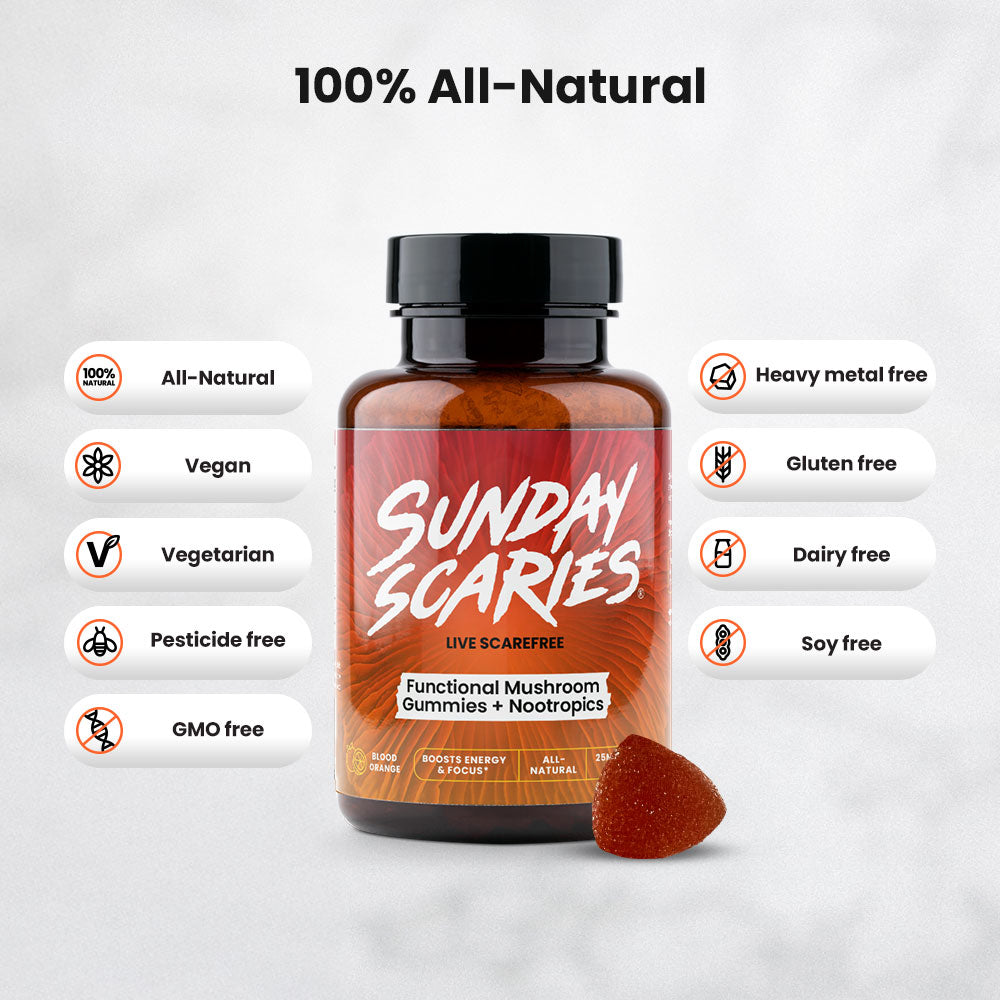
Featured Chaga Formula
Chaga Powder Lion’s Mane Extract Ginkgo Biloba Natural CaffeineA pre-dosed daytime formula that combines Chaga with lion’s mane, ginkgo biloba, and natural caffeine to support focus, mental clarity, and sustained energy.
Shop Mushroom Gummies for Focus| Feature | Chaga | Reishi |
|---|---|---|
| Scientific name | Inonotus obliquus. | Ganoderma lucidum. |
| Reputation | Antioxidant and cellular protection. | Immune support and whole-body resilience. |
| Compounds | Polyphenols, melanin, betulin-related compounds, and polysaccharides. | Beta-glucans, ganoderic acids, triterpenoids, and peptides. |
| Strongest research | Oxidative stress and cellular protection. | Immune signaling, antioxidant status, and liver support. |
| Skin-related research | Stronger. | More limited. |
| Human supplementation research | Limited. | More extensive. |
| Taste | Earthy and relatively mild. | Bitter. |
| Best time to take | Any consistent time. | Any consistent time (later in the day). |
Sunday Scaries mushroom gummies collection makes it easier to compare functional mushroom formulas based on your specific goals.
FAQs About Chaga vs Reishi
1. Is Chaga or Reishi better for antioxidants?
Chaga has a stronger antioxidant identity because it contains polyphenols, melanin, polysaccharides, and triterpenoids studied for cellular protection.
2. Is Chaga or Reishi better for immune support?
Reishi is the better fit. Its beta-glucans and other polysaccharides have been studied for their effects on macrophages and immune signaling.
3. Can I take Chaga in the morning and Reishi at night?
Chaga fits easily into a daytime routine. With that said, many people prefer Reishi later in the day as part of a recovery-focused routine.
4. Do Chaga and Reishi give you energy?
Neither acts like caffeine. Chaga supports antioxidant defenses, whereas Reishi is more closely associated with resilience and recovery.
5. Do Chaga or Reishi make you high?
Both are non-psychoactive functional mushrooms and do not contain psilocybin.
Conclusion
Chaga and Reishi should not be treated interchangeably as these two functional mushrooms have different functions.
Chaga is the ideal choice when it comes to antioxidation, cellular support, and skin health. Conversely, Reishi plays a broader role in immunity, liver health, and post-exertion recovery.
The good news is that you can combine both of these mushrooms to get the best of each. Together, they make a strong functional mushroom duo, but not necessarily do the exact same job.
Explore Functional Mushroom Gummies
Compare clearly labelled mushroom gummy formulas based on your focus, energy, stress, sleep, and wellness goals.
Browse Mushroom GummiesThis article is for informational purposes only and is not intended to provide medical advice, diagnosis, or treatment. Speak with a qualified healthcare professional before starting a new supplement, especially if you take medication, manage a health condition, are pregnant or breastfeeding, or are receiving medical treatment.